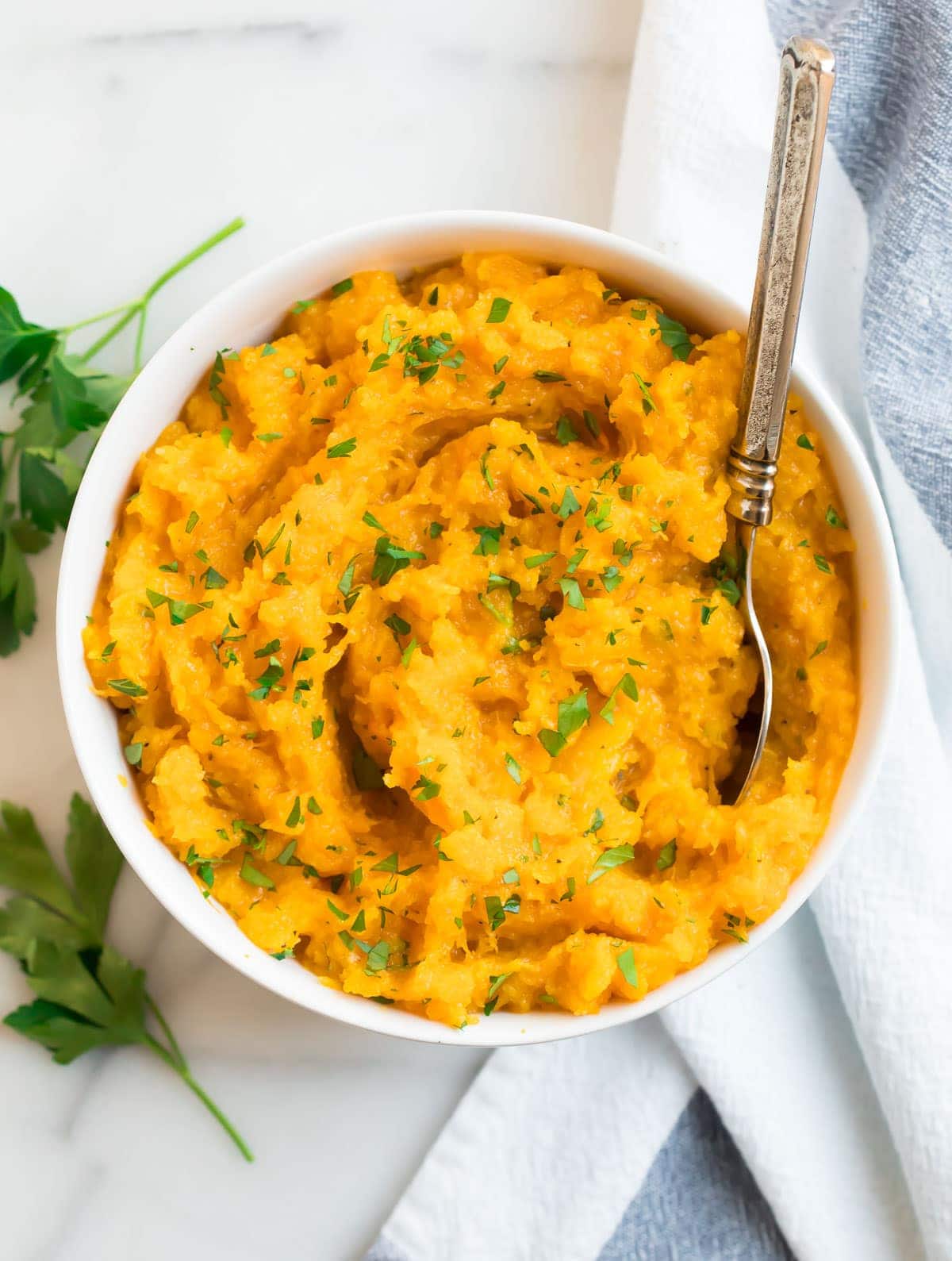
Roasted vs. Steamed: Unlocking the Best Mashed Butternut Squash Flavor
Few side dishes evoke the warmth and comfort of autumn and holiday feasts quite like mashed butternut squash. Its vibrant orange hue, inherent sweetness, and creamy texture make it a perennial favorite, gracing tables from simple weeknight dinners to grand Thanksgiving celebrations. But beneath its unassuming charm lies a culinary debate: what’s the optimal cooking method to unlock its absolute best flavor? Is it the swift, no-fuss approach of steaming, or the deeper, more complex notes achieved through roasting? Let's delve into the techniques and discover how to elevate your next batch of
mashed butternut squash to irresistible perfection.
The Enduring Charm of Mashed Butternut Squash
Butternut squash, a versatile winter squash available year-round, boasts a naturally sweet, almost nutty flavor profile, reminiscent of a mild pumpkin. This makes it an ideal canvas for both sweet and savory preparations. For many, its simplest form – mashed with a touch of butter and brown sugar – holds a special, nostalgic place. Indeed, some family recipes, though jokingly referred to as "baby food" for their smooth texture and simple ingredients, consistently disappear from the holiday table first. This phenomenon highlights a fundamental truth in cooking: sometimes, simple truly is best. The beloved traditional
mashed butternut squash often relies on just a few core ingredients – the squash itself, butter, brown sugar, salt, and pepper – proving that the magic isn't always in complexity, but in calculated restraint and quality ingredients.
But for those who, like seasoned home cooks or culinary school graduates, aim to push boundaries just a little, the question of preparation becomes paramount. The method by which you cook the squash before mashing can dramatically influence its final taste and texture, introducing nuanced flavors that elevate the dish from simply satisfying to truly spectacular.
The Case for Speed & Simplicity: Steamed Mashed Butternut Squash
Steaming or boiling butternut squash is undeniably the quicker path to a soft, mashable texture. This method involves cooking the squash in hot water or steam until tender, usually in about 15-20 minutes once cubed.
Advantages of Steaming/Boiling:
- Speed: It's the fastest way to cook the squash, making it ideal for busy weeknights or when you're short on time.
- Ease: Requires minimal active attention once the squash is in the steamer or pot.
- Light Texture: Can produce a very light and fluffy mash, particularly if you're careful not to overcook it.
Disadvantages and How to Mitigate Them:
The primary drawback of steaming or boiling is the potential for a less intense flavor. Water can leach out some of the squash's natural sugars and dilute its inherent sweetness. Additionally, this method doesn't allow for any browning or caramelization, which are key to developing deeper flavors. The result can sometimes be a watery or somewhat bland mash.
However, you can combat these issues with smart additions:
- Enrichment: After steaming, ensure you drain the squash thoroughly. Then, add generous amounts of flavor enhancers like full-fat butter, cream, or even a touch of cream cheese to boost richness.
- Sweetness Boost: Compensate for any lost sweetness with brown sugar, maple syrup, or honey.
- Savory Depth: Introduce savory elements like a pinch of nutmeg, a dash of white pepper, or even a hint of roasted garlic powder to round out the flavor profile.
Despite its reputation for being "simple," a well-executed steamed
mashed butternut squash can be incredibly delicious, especially when thoughtfully seasoned.
Unlocking Deeper Flavor: The Roasted Advantage
If time allows, roasting butternut squash before mashing is the secret to unlocking a significantly more complex and intense flavor profile. Roasting involves cooking the squash in a hot oven, typically between 375°F and 425°F (190°C and 220��C), often tossed with a little oil, salt, and pepper.
Why Roasting Wins on Flavor:
- Caramelization: The dry heat of the oven causes the natural sugars in the squash to caramelize. This creates a sweet, slightly nutty, and deeply satisfying flavor that steaming simply cannot achieve.
- Maillard Reaction: Beyond caramelization, roasting triggers the Maillard reaction – a complex chemical reaction between amino acids and reducing sugars that produces a myriad of new flavor compounds and gives roasted foods their distinctive browned, savory crust. This adds incredible depth and umami to the squash.
- Moisture Reduction: Unlike steaming, which adds moisture, roasting actively reduces it. This concentrates the squash's flavor, preventing a watery mash and resulting in a denser, richer texture.
Tips for Optimal Roasting:
- Even Cubes: Cut the squash into uniform 1-inch cubes for even cooking.
- Single Layer: Spread the squash in a single layer on a baking sheet. Overcrowding will steam the squash instead of roasting it, hindering caramelization. Use multiple sheets if necessary.
- Minimal Oil: Toss with just enough olive oil or avocado oil to lightly coat the pieces. Too much oil can result in greasy squash.
- High Heat: Roast at a relatively high temperature (around 400°F / 200°C) for about 25-35 minutes, or until fork-tender and beautifully browned at the edges.
- Add Aromatics: For an extra layer of flavor, roast the squash alongside sprigs of fresh rosemary or sage, or whole garlic cloves (which will become sweet and mashable).
The distinct advantage of roasted
mashed butternut squash stand out:
Flavor Boosters:
- Brown Butter: This is a game-changer. Gently cooking butter until the milk solids turn a nutty brown adds an incredible depth of flavor and toasted aroma. It pairs beautifully with the sweetness of the squash and is highly recommended if you have an extra 5 minutes.
- Spices:
- Sweet-leaning: A pinch of freshly grated nutmeg, cinnamon, or even a tiny whisper of ground cloves can enhance the squash's natural sweetness and autumnal character.
- Savory-leaning: A touch of cayenne pepper (as suggested in the reference) offers a delightful counterpoint to the sweetness. Smoked paprika, a hint of cumin, or finely chopped fresh sage or thyme can also introduce sophisticated savory notes.
- Sweeteners: While brown sugar is classic, maple syrup offers a beautiful fall flavor complement. You could also experiment with a touch of honey or even date syrup for different nuances. Adjust sweetness to your preference – some prefer a more savory mash.
- Dairy & Creaminess: Beyond butter, consider heavy cream, half-and-half, or even a spoonful of plain Greek yogurt for tang and added creaminess. A small amount of mascarpone cheese can also add luxurious richness.
- Savory Additions: For an unexpected twist, stir in a spoonful of caramelized onions, crumbled bacon, or a grating of Parmesan or Gruyere cheese. A swirl of tahini can also add a unique nutty, earthy dimension.
Texture Play:
The way you mash your squash impacts the final texture.
- Hand Mashing: For a rustic mash with some texture, use a potato masher or a fork. This leaves small chunks for a more wholesome feel.
- Food Processor/Blender: For an ultra-smooth, velvety "baby food" consistency (which, as we know, often disappears fastest!), a food processor or immersion blender will yield the creamiest results. Be careful not to overmix, as it can sometimes make the squash gluey.
Always remember to taste and adjust seasonings frequently. A good pinch of salt is crucial to balance the sweetness and enhance all the flavors. Freshly ground black pepper adds a subtle kick.
Practical Tips for Perfect Mashed Butternut Squash Every Time
- Choosing Your Squash: Select a butternut squash that feels heavy for its size, has smooth, blemish-free skin, and a deep, uniform tan color. Avoid any with soft spots or green patches.
- Safe Cutting: Butternut squash can be tough to cut. For easier handling, microwave the whole squash for 2-3 minutes before peeling and cutting. Alternatively, trim both ends, stand it upright, and carefully cut it in half lengthwise before scooping out seeds and peeling.
- Make Ahead: Mashed butternut squash is an excellent make-ahead dish. Prepare it fully, cool it completely, and store it in an airtight container in the refrigerator for up to 3-4 days. Reheat gently on the stovetop or in the oven, adding a splash of milk or broth if it seems too thick.
- Serving Suggestions: While a holiday staple, don't relegate mashed butternut squash solely to Thanksgiving. It pairs beautifully with roasted chicken, pork tenderloin, grilled fish, or even as a base for a grain bowl.
Conclusion
The journey to the best
mashed butternut squash flavor often boils down to a fundamental choice: speed and simplicity versus depth and complexity. While steamed squash offers a quick, light, and delicious foundation that can be easily enhanced, roasting undoubtedly brings out the inherent sweetness and nutty nuances of the squash through caramelization and the Maillard reaction. This creates a richer, more concentrated flavor profile that many find superior.
Ultimately, the "best" method depends on your time, preference, and desired outcome. Whether you stick to a beloved, simple steamed recipe that consistently disappears from the table, or you embrace the enhanced flavors of a roasted, brown-butter infused creation, mastering the art of
mashed butternut squash means understanding its potential and tailoring it to your taste. So, go forth, experiment, and unlock the most delicious squash experience for your table, all season long!